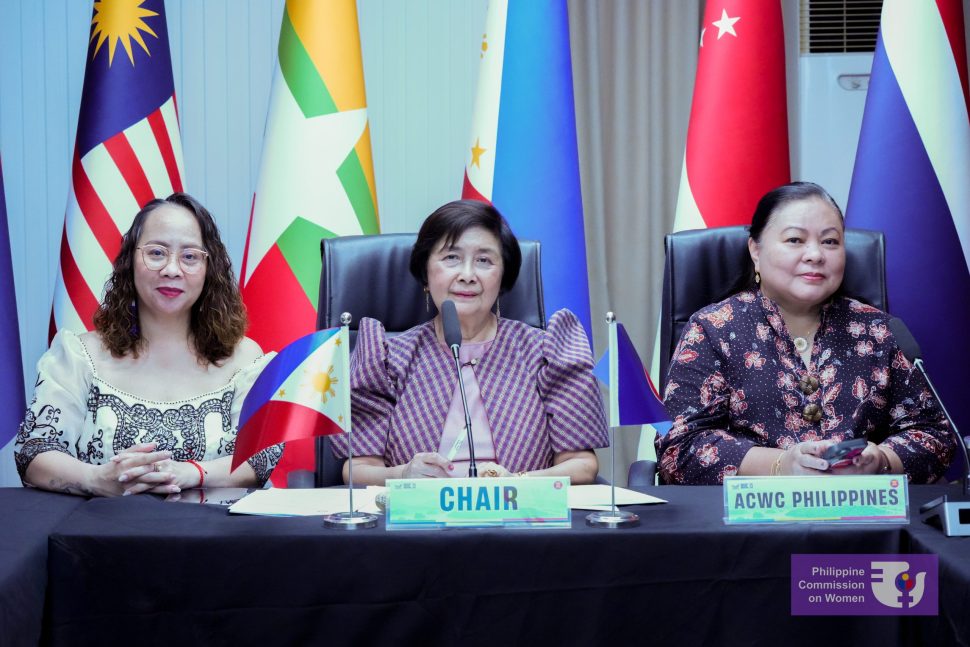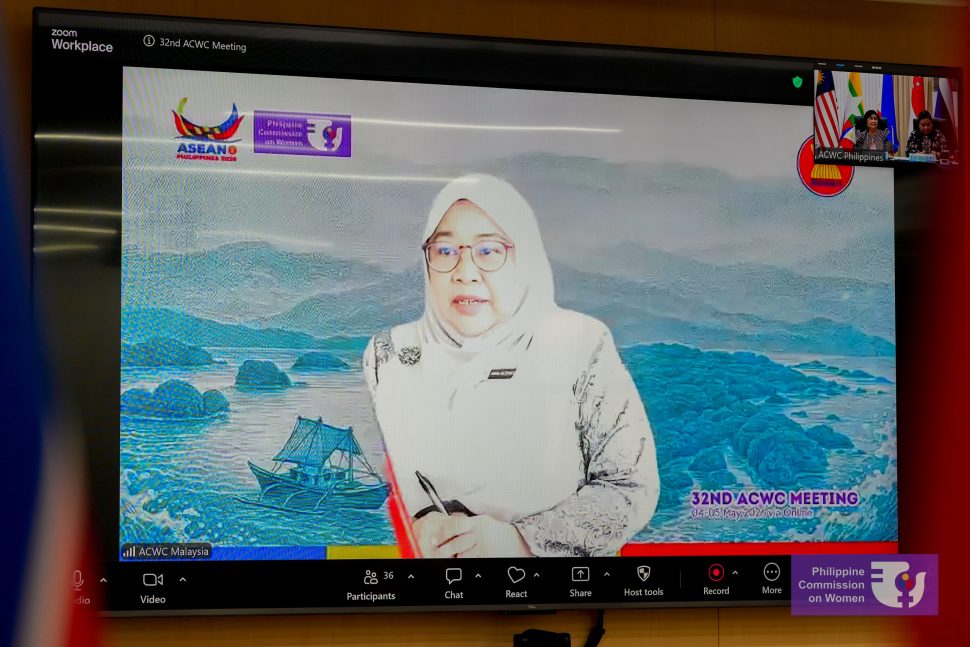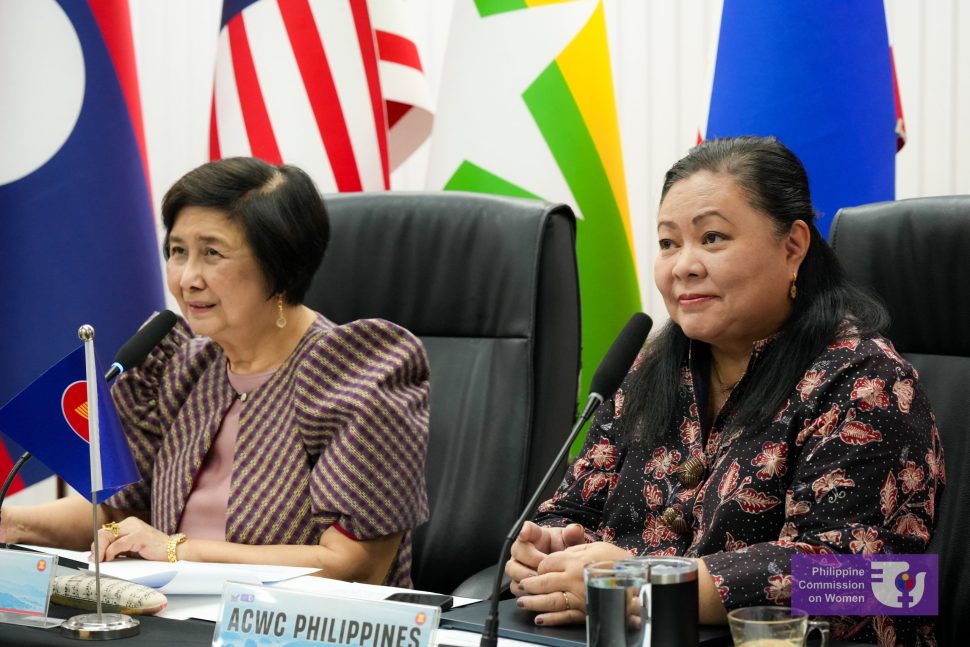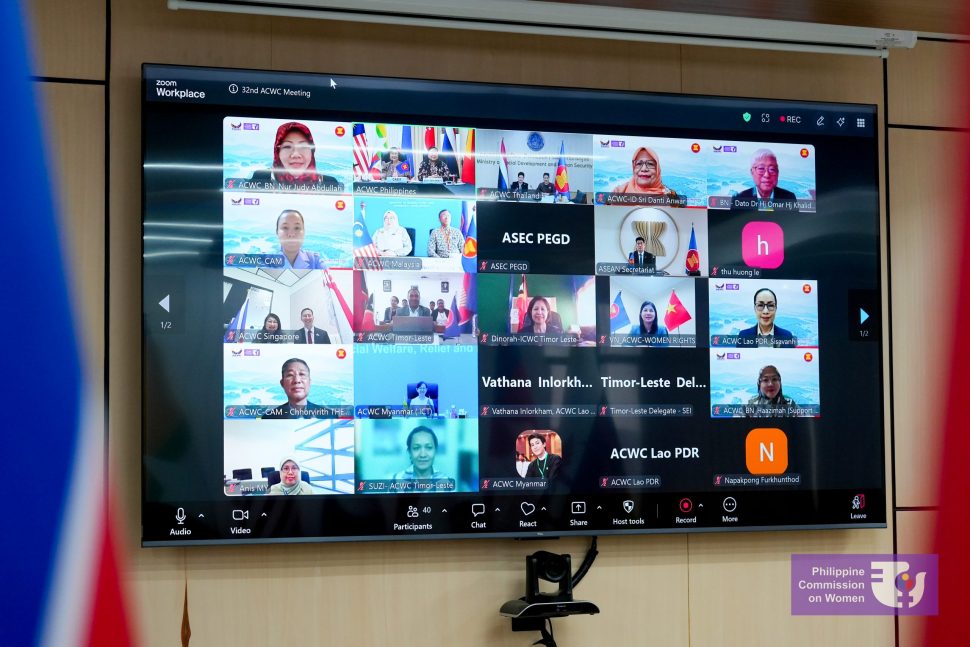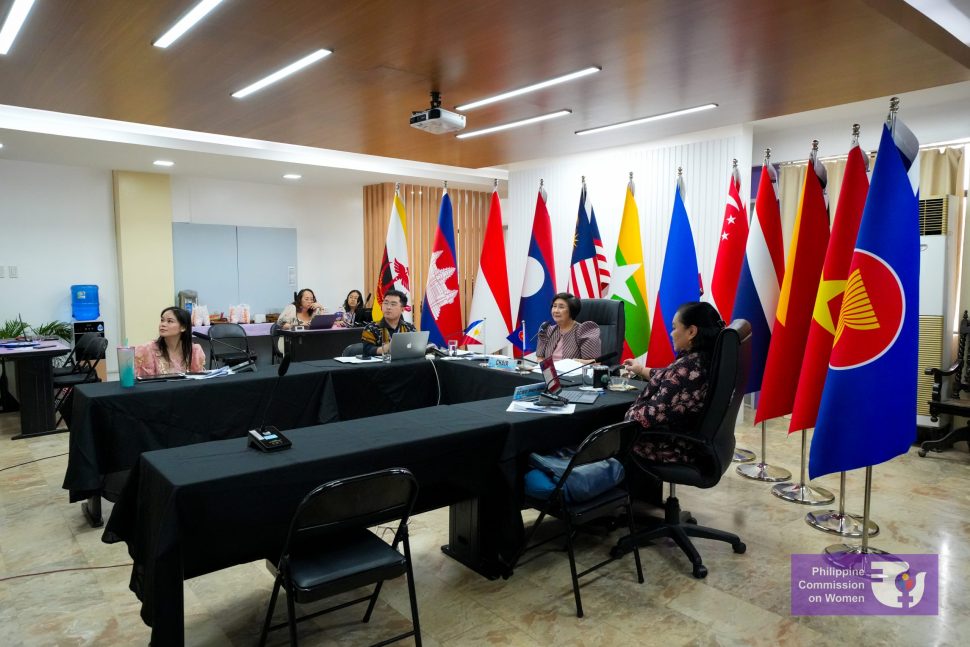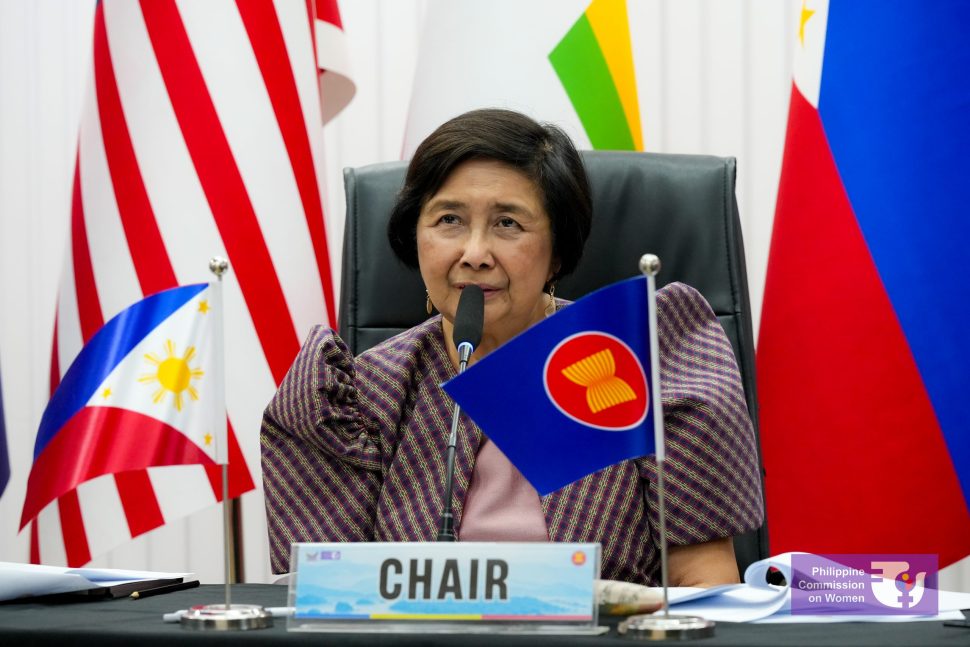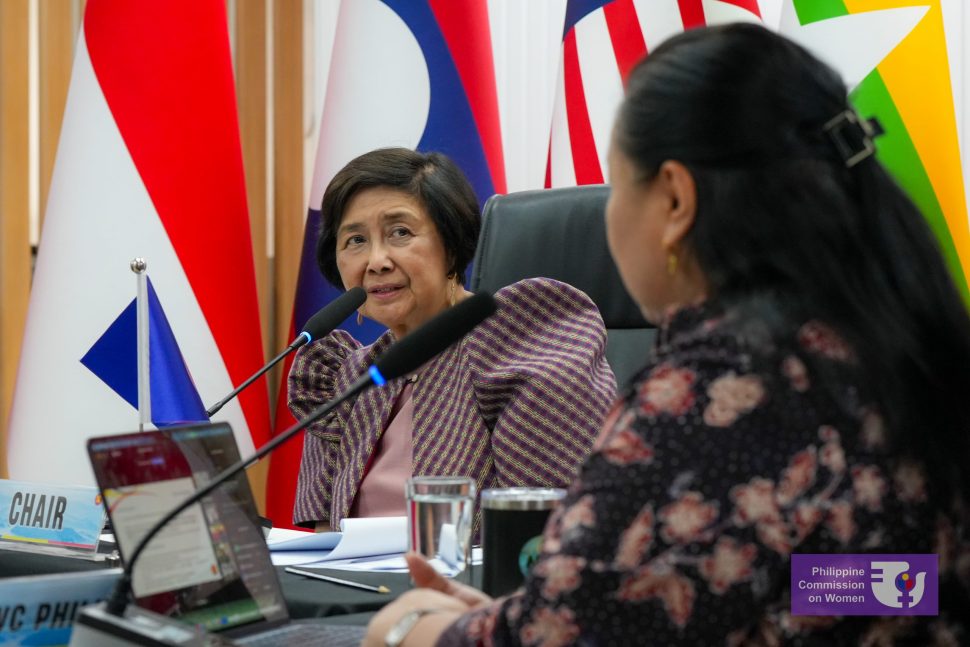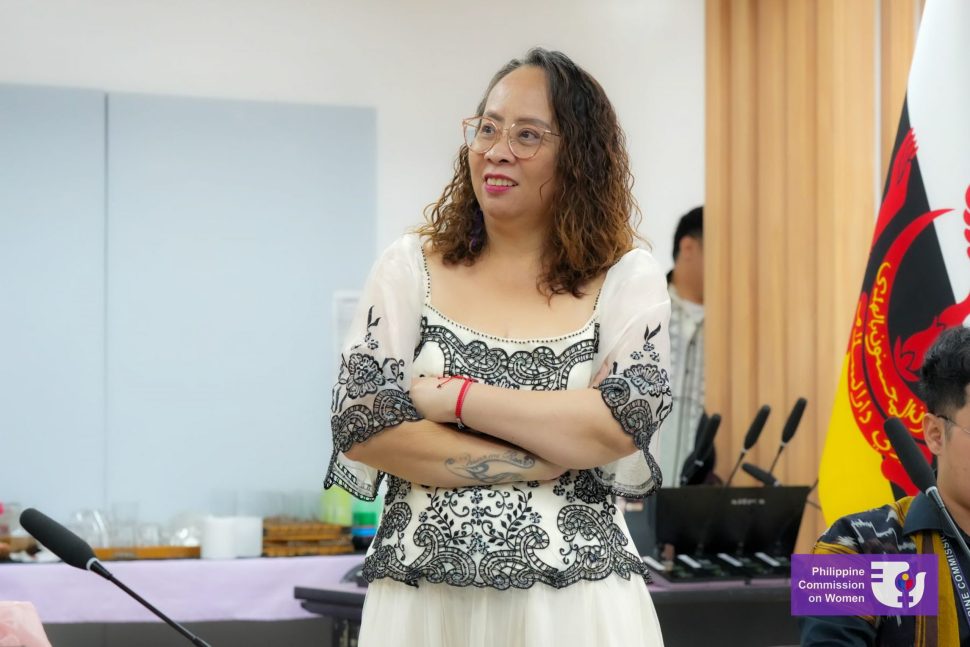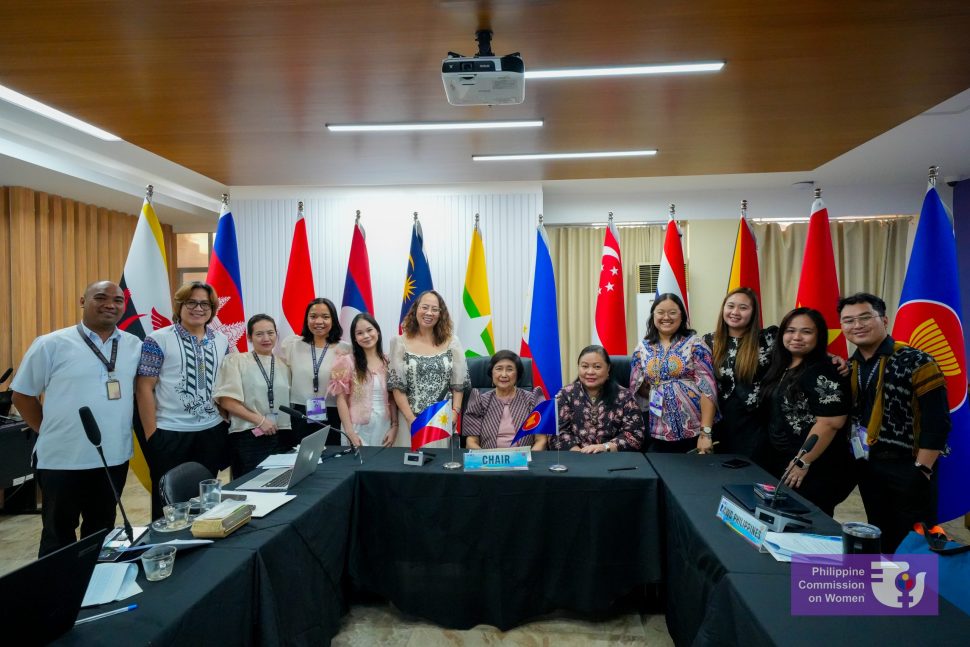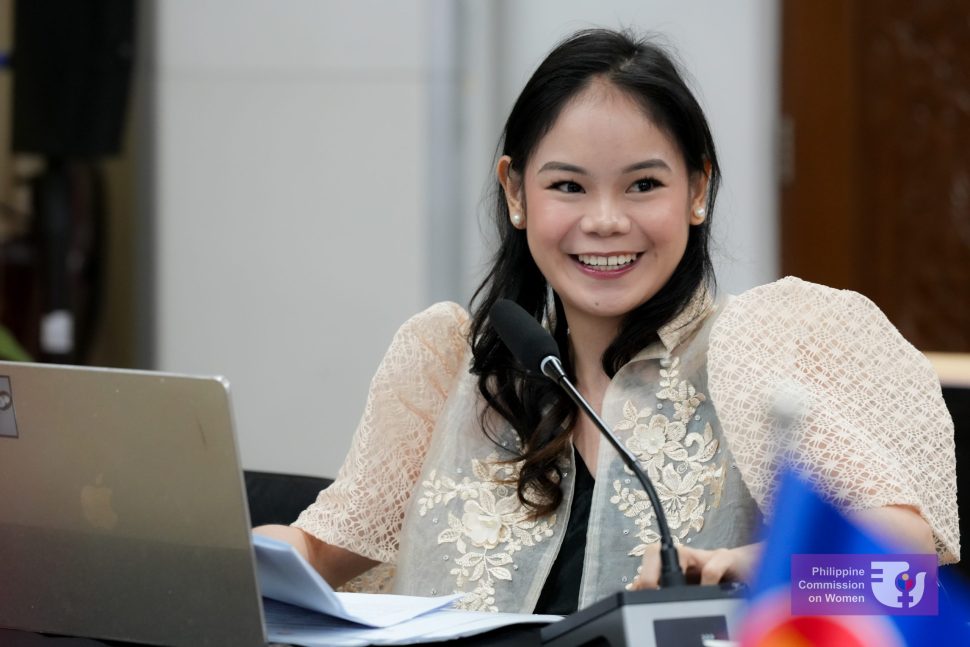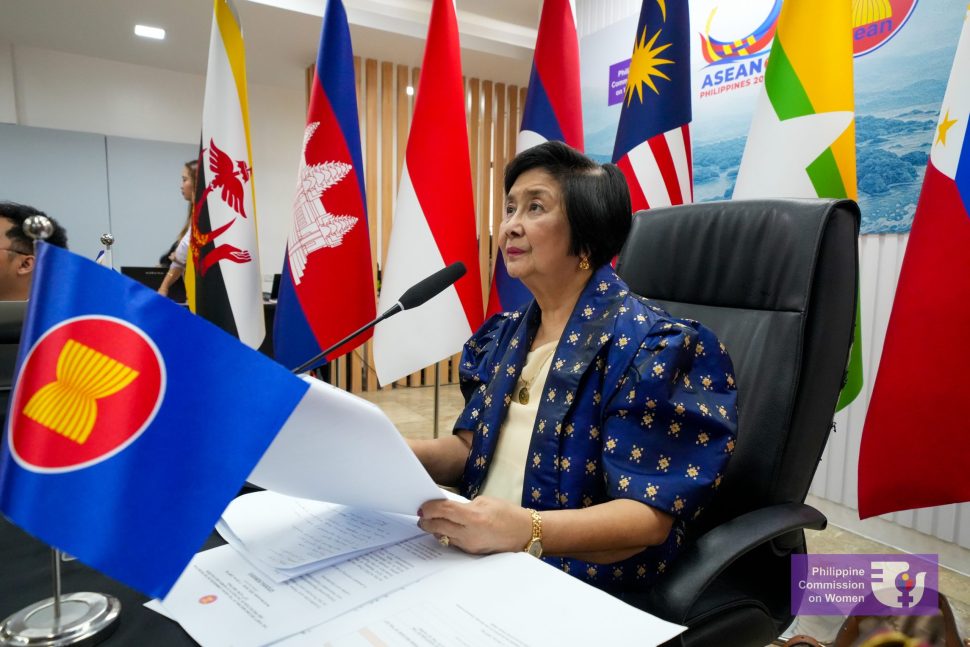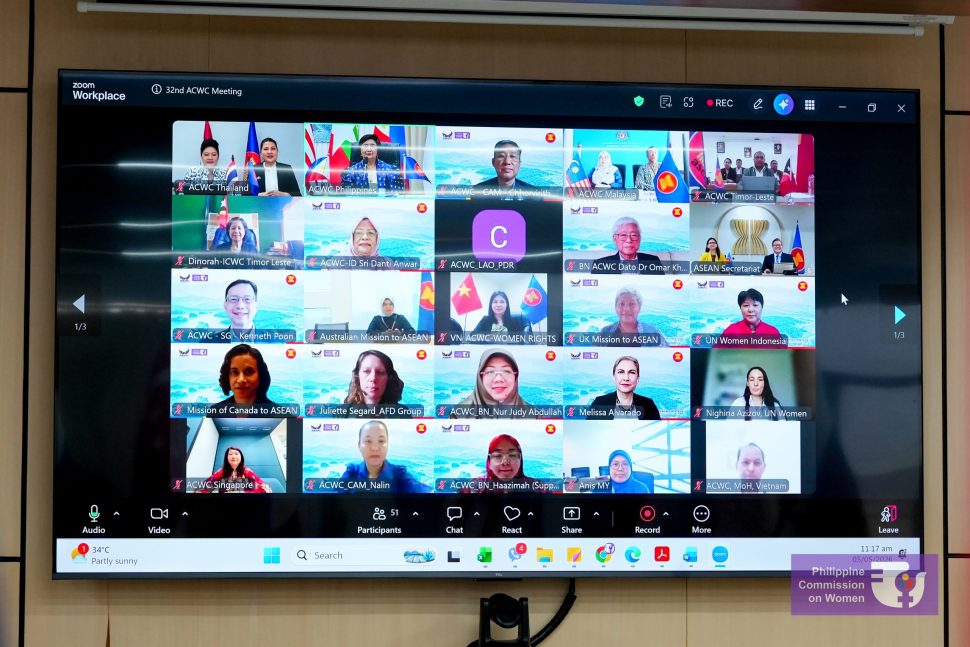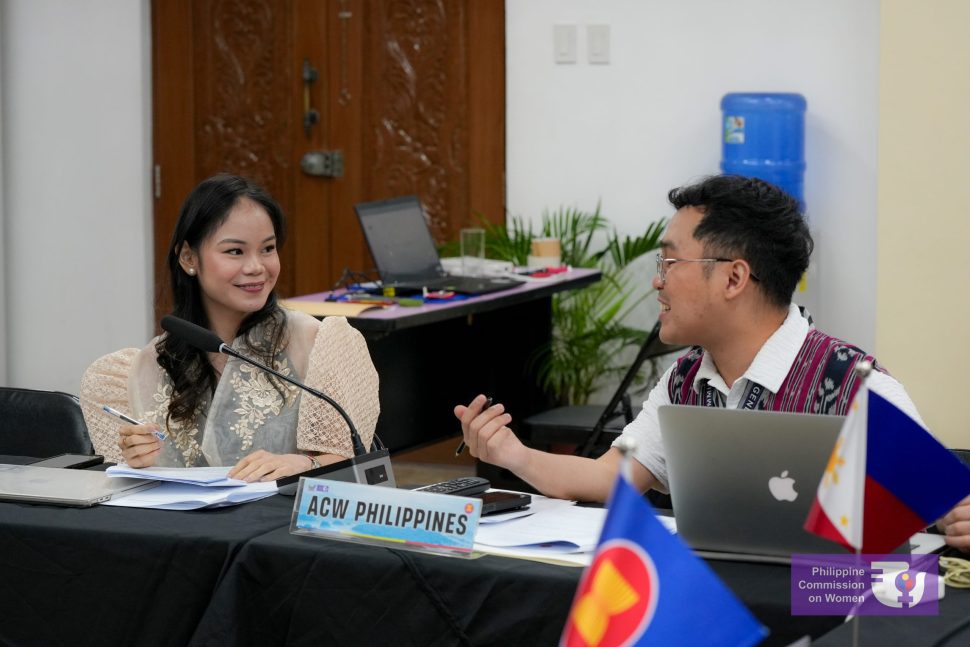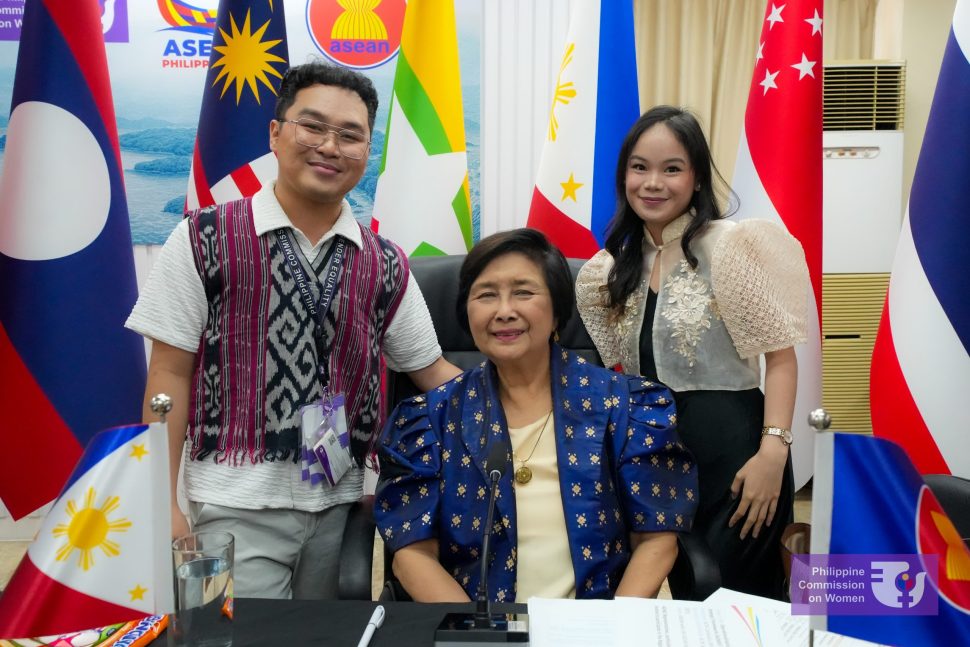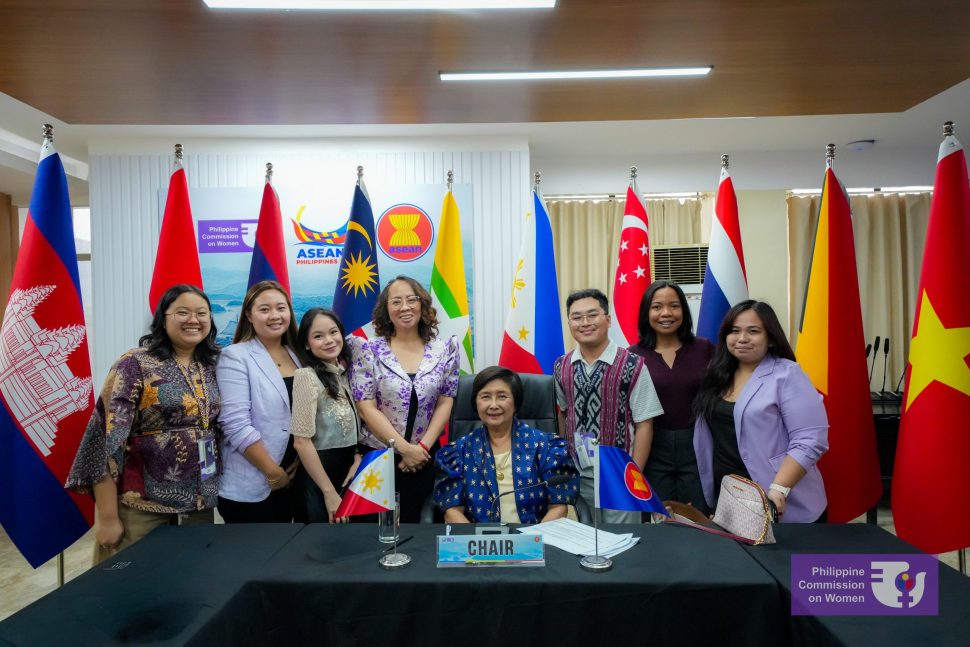
JAKARTA 4-5 May 2026 – ASEAN reaffirmed its commitment to promoting and protecting the rights of women and of children to realise a secure and empowered future for all during the 32nd Meeting of the ASEAN Commission on the Promotion and Protection of the Rights of Women and Children (ACWC).
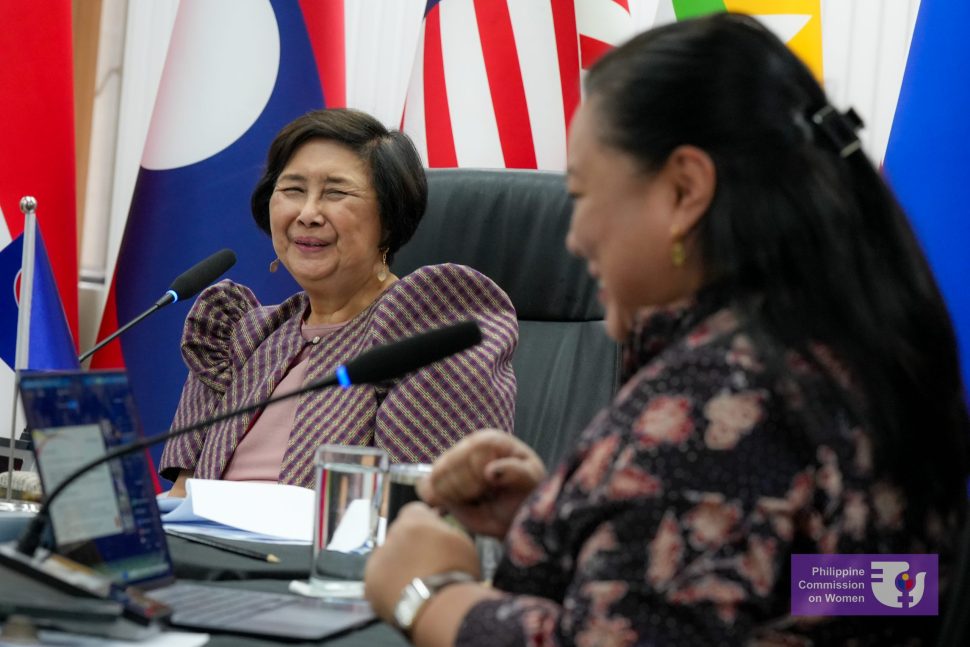
The ACWC commended Malaysia’s 2025 Chairship, for the successful completion of the ACWC Work Plan 2021-2025 a nearly 80% implementation rate. Wan Noraidah binti Wan Mohd Zain, Malaysia’s Representative for Children’s Rights and Outgoing Chair of ACWC said, “This achievement goes beyond mere statistics and stands as a testament to our collective resilience in advocating for the rights of women and children, while proactively addressing the complex, emerging challenges of our time.”
Guided by the shared aspirations of the ASEAN Community Vision 2045 and Its Strategic Plans, the ACWC committed to fast-tracking the development of its new work plan for 2026-2030 to contribute to addressing emerging challenges facing women and children in an increasingly complex global landscape. ACWC based on its practical experiences is compiling a documentation of good practices and lesson on social inclusion and climate change on women and children in the region to showcase its commitment and acceleration of future actions.
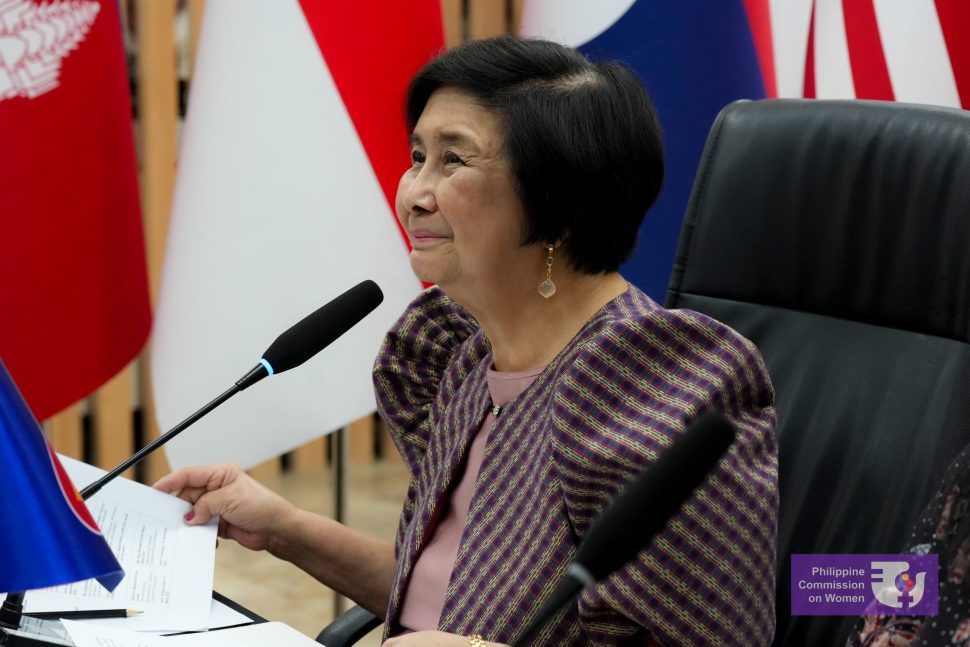
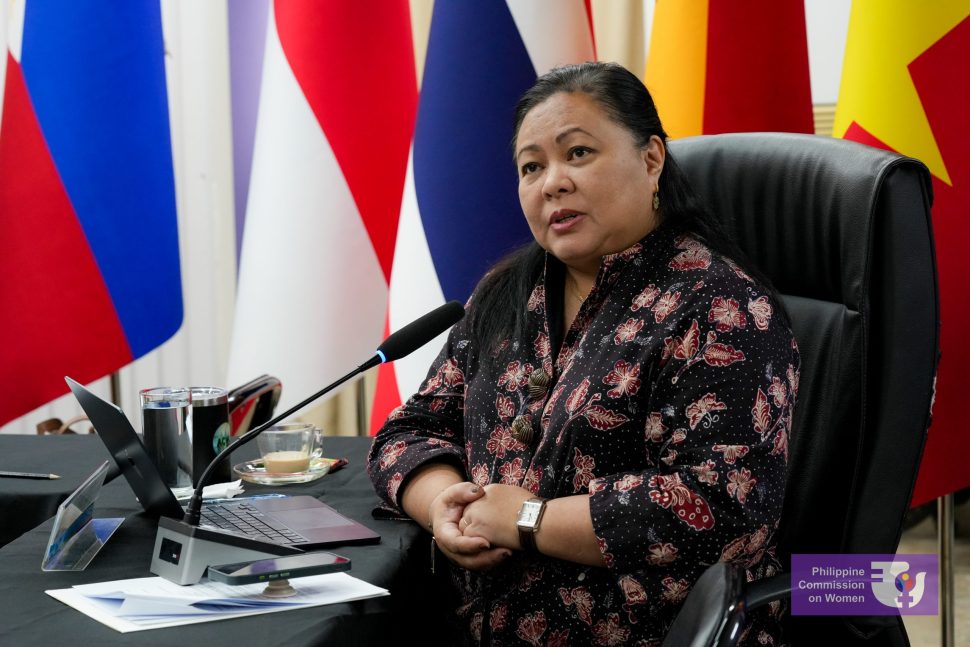
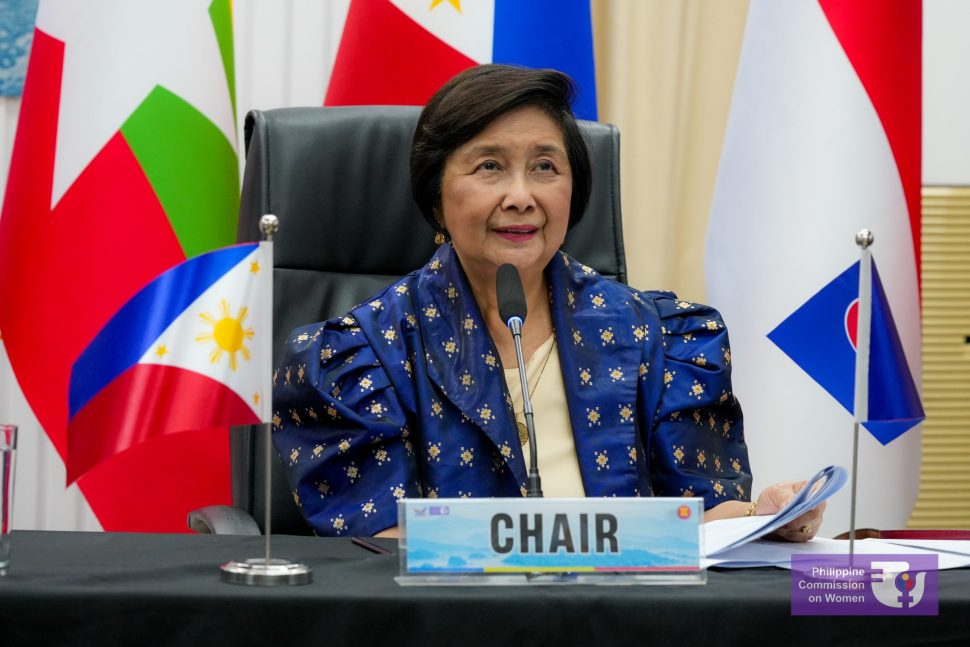
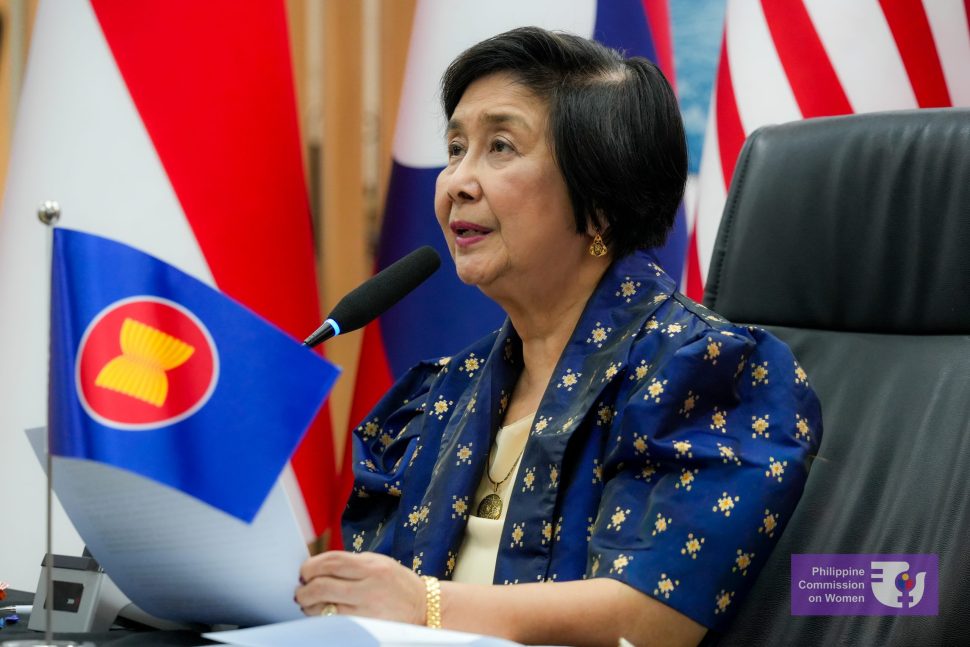
“ACWC aims to ensure that the next work plan embeds women’s and children’s rights throughout the life course,” said Amaryllis Torres, Philippines’ Representative for Women’s Rights and Chair of ACWC. “Our collaborative work is crucial in ensuring that the voices of women and children are central to ASEAN’s future,” she added.
The Philippines, as the 2026 ASEAN Chair, is leading several high-impact initiatives that promote a gender-equal, age-and-rights-based approach towards building inclusive, resilient and empowered societies. This includes the ASEAN ICT Forum on Child Online Protection as a flagship event this year, which seeks to actively engage the private sector and IT industry in promoting digital safety, and the Multi-year Project (Phase III), Capacity Enhancement of ASEAN frontline responders in countering trafficking using victim-centred and gender-responsive approaches.
The 32nd ACWC Meeting also highlighted significant progress in policy development, particularly in ending all forms of violence against women and children, including the endorsement of the ASEAN Guidance Note on Disability Inclusion in Violence Against Women and Girls Policies and Programmes, which is to be noted by the ASEAN Leaders during the 48th ASEAN Summit.
Furthermore, several key regional frameworks and instruments are being finalised namely: (1) the ASEAN Regional Plan of Action on the Elimination of Violence Against Women (2026-2035); (2) The ASEAN Regional Plan of Action on the Elimination of Violence Against Children (2026-2035); (3) The Regional Plan of Action on the Protection of Children From All Forms of Online Exploitation and Abuse in ASEAN (2026-2030); (4) The Midterm Review of the Regional Plan of Action on Children in the Context of Migration; (5) The ASEAN Guidelines on the Implementation of Alternatives to Detention for Children in the Context of Migration; and (6) A Common Chapter on Violence Against Women (VAW) and Violence Against Children (VAC), Reflecting Shared Principles, Cross-Cutting Priorities, and Strengthened Coordinated in Addressing Intersecting Forms of Violence.
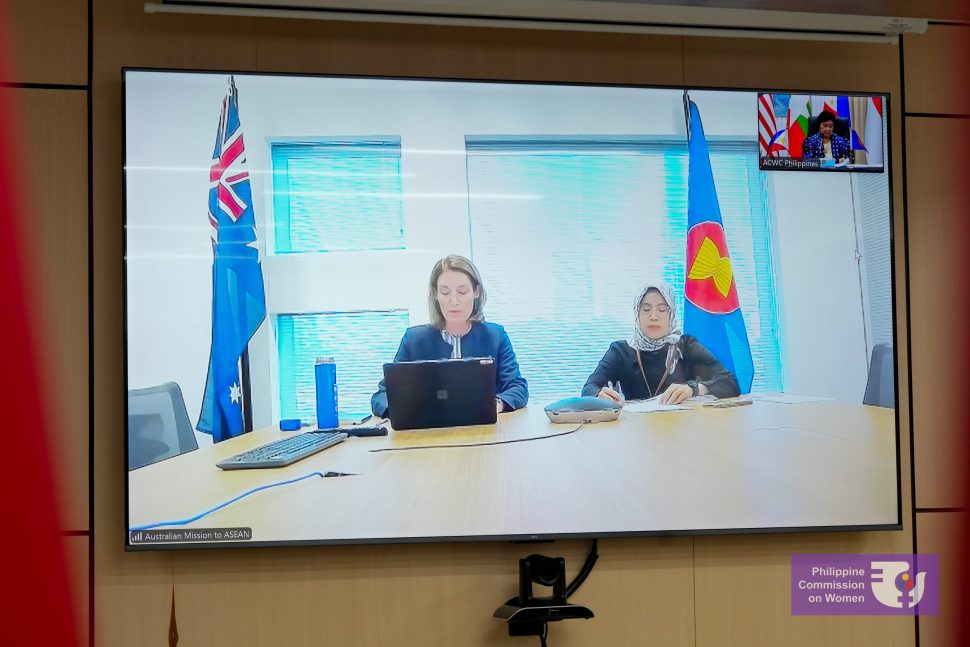
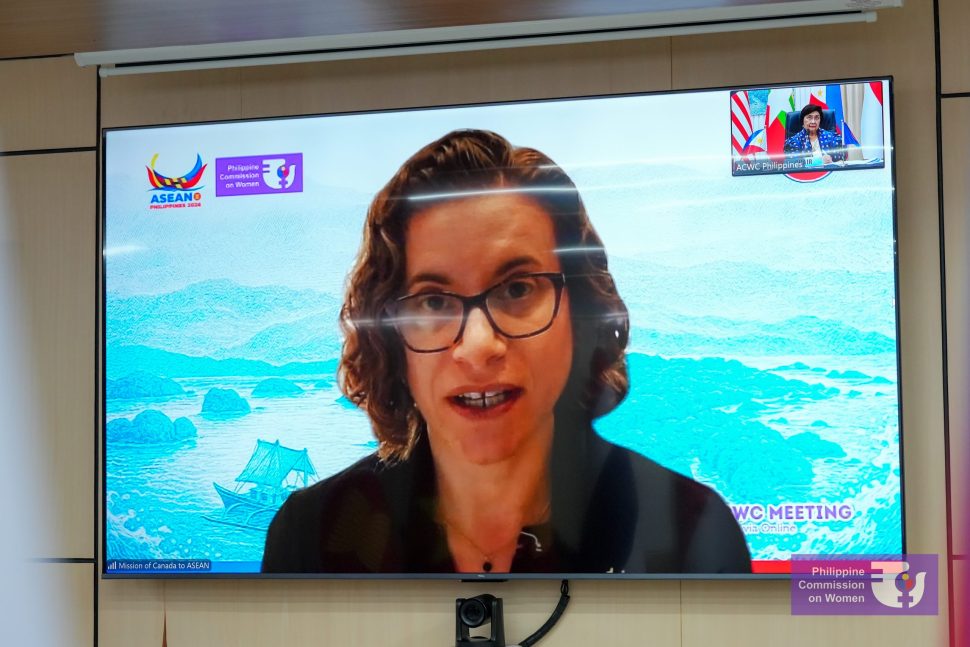
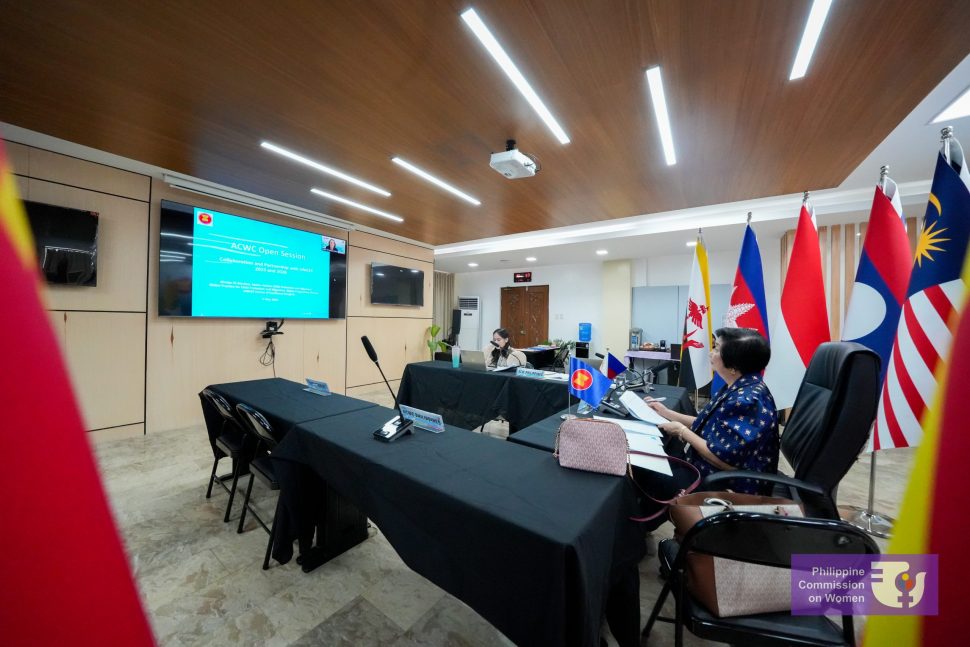
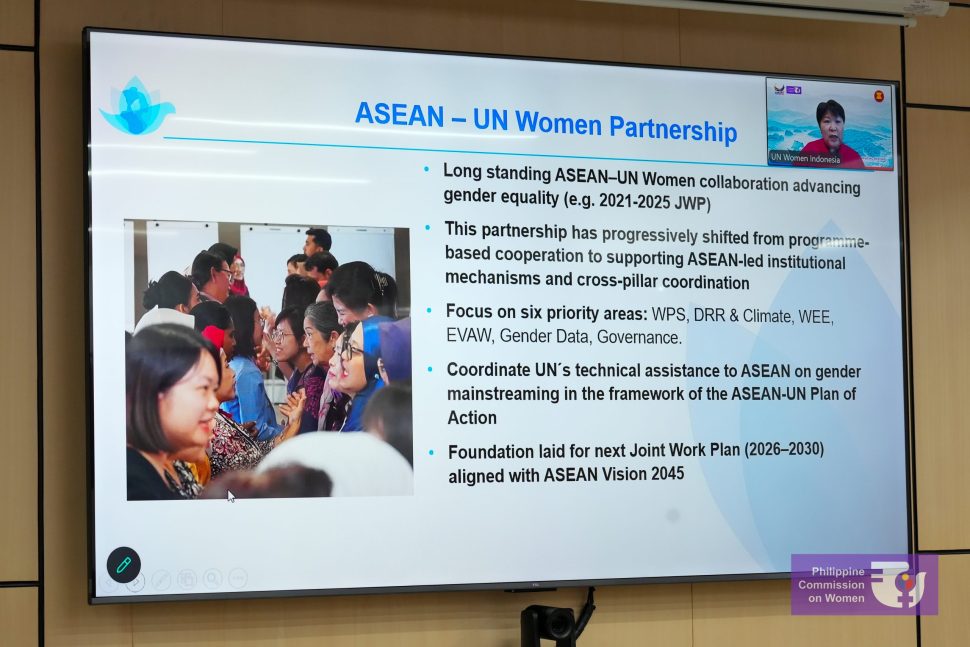
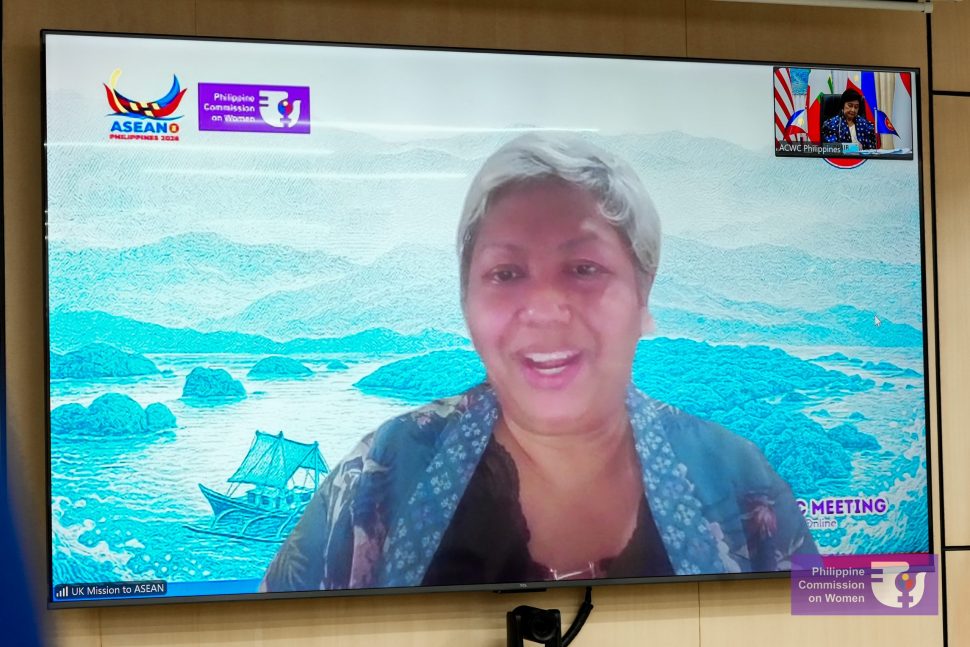
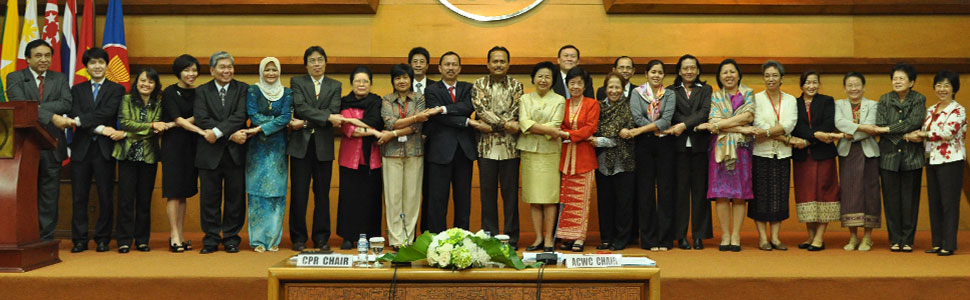
As the ACWC transitions to its new work plan, the ACWC emphasised ASEAN Centrality as a guiding principle in ensuring that partnerships with external stakeholders remain ASEAN-driven, adhere to existing ASEAN processes and procedures, and align with regional priorities for peace, sustainable, and people-centred development. The 32nd ACWC Meeting was attended by ACWC Representatives for women’s and children’s rights from all eleven ASEAN Member States, as well as representatives from the ASEAN Secretariat. ASEAN Partners also joined the Open Session, including representatives from the Australian Mission to ASEAN, Canada Mission to ASEAN, UK Mission to ASEAN, Agence Française de Développement, along with UNICEF, UN Women, and UNFPA.